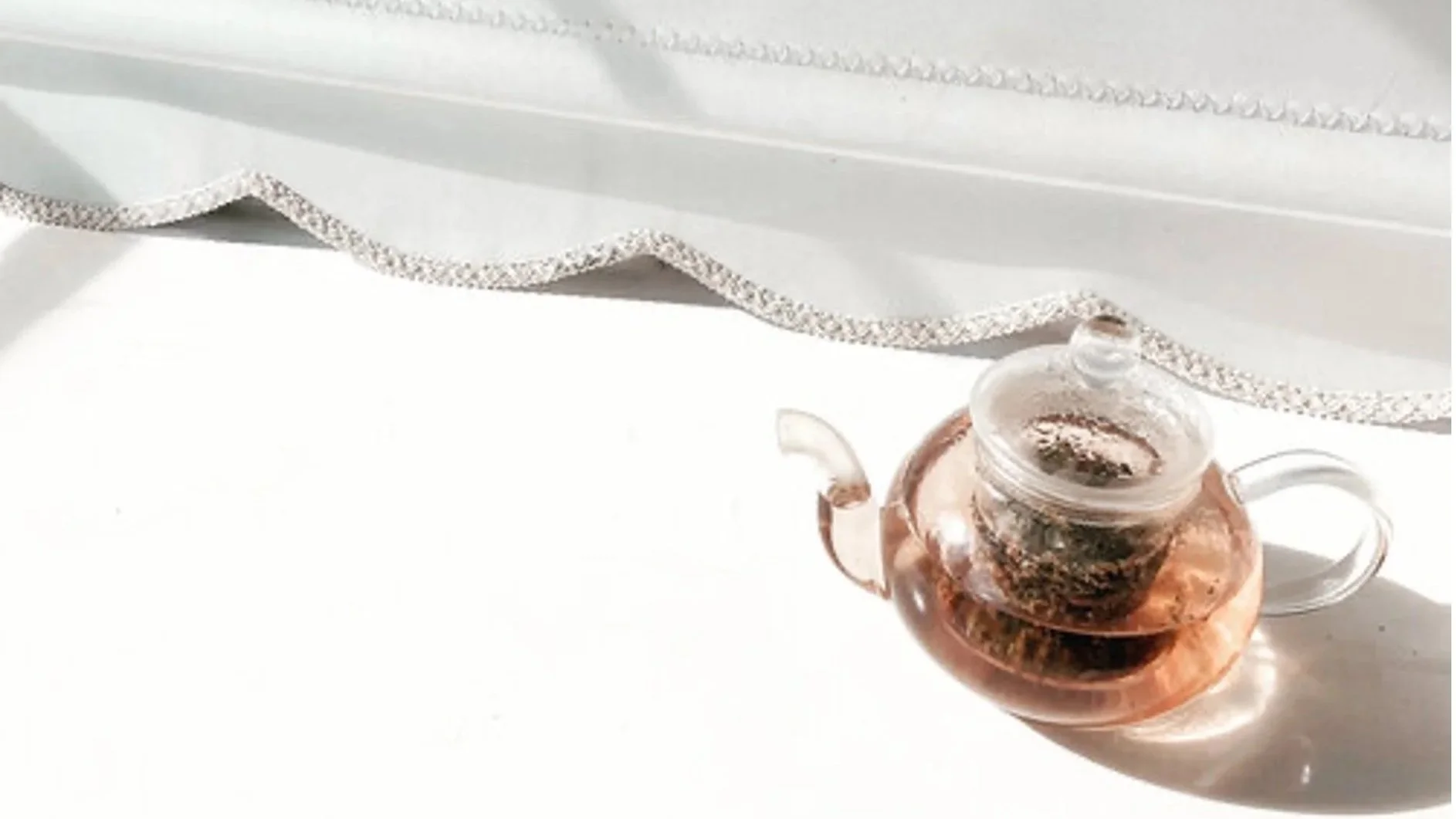
It might come as a shock to you that not all teas are ‘Tea’. Yes, there is a distinct difference between brewing a cup of tea and making a herbal infusion.
Tea
Tea is the dried, oxidised form of the Camellia sinensis plant. The single plant can produce all four of our favourite Teas: White Tea, Green Tea, Oolong Tea and Black Tea and each of these have their own unique therapeutic properties and taste profiles. Tea contains caffeine and this is one of the main differentiators from Tisanes.
Tisane (Herbal Tea)
A Tisane is commonly known as a herbal infusion or botanical infusion. Tisanes are made using dried flowers, leaves and stems from plants other than Camellia sinensis, for example rose petals, peppermint leaves and chamomile flowers. Boiling water is used to extract therapeutic constituents from the plant by steeping 1/4 dried herb in 1 cup boiling water for up to 5 minutes. Tisanes are frequently used in Naturopathy as a form of herbal medicine to treat a variety of presenting symptoms such as indigestion, hot flushes insomnia and inflammation. The longer you leave the herbs to infuse, the more likely you are to draw out the therapeutic properties of the plant. Tisanes are either infused as a ‘simple’ - using a single herb or an ‘infusion’ - using more than one herb.
History of Tea & Tisanes
Tea has been around for thousands of years and is believed to have been discovered in China, where it was cultivated and used widely by Buddhist monks in ritualistic ceremonies. It wasn’t until the 16th Century that tea became popular in Europe. The establishment of the East India Company saw Britain gain monopoly over half the world’s trading routes and they became a major importer of Tea. Camellia sinensis was kept at a high price and only obtainable by the wealthy. This led to smuggling of tea across British colonies that spanned India, America and Australia. Finally, in the 1800s tea became affordable for the masses. Demand led to the need for higher volumes and shorter delivery times, so cultivation shifted to India. This led to Black Tea becoming the preferred tea in the West, and by the late 1900s, ‘Afternoon Tea’ had become a common practice in most homes.
The use of Tisanes for medicinal purposes has been around for centuries spanning Ancient Egypt, Ancient Greece, Traditional Chinese Medicine and Ayurveda. The notable English physician Nicholas Culpeper wrote the famous Complete Herbal in 1652, documenting hundreds of plants with specific brewing instructions to treat health concerns of the day. He made the book affordable for the common person and is known for his radical work on the concept of ‘teaching every man and woman to be their own doctor’. The information and practices he documented are still used today by modern Herbalists and Naturopaths.
Tisane’s offer a variety of health benefits that can make them a great addition to your diet. Tisane’s are naturally caffeine-free and may help improve digestion, reduce inflammation, boost your immune system, help you relax, and even help you sleep better. They also contain a wide range of antioxidants and vitamins that can help protect your cells from oxidative stress and reduce your risk of diseases.
Tisane’s are prescribed for common gastrointestinal and nervous system conditions, and are also prescribed to to children to provide herbal medicine benefits, without the alcohol (and bitter taste!).