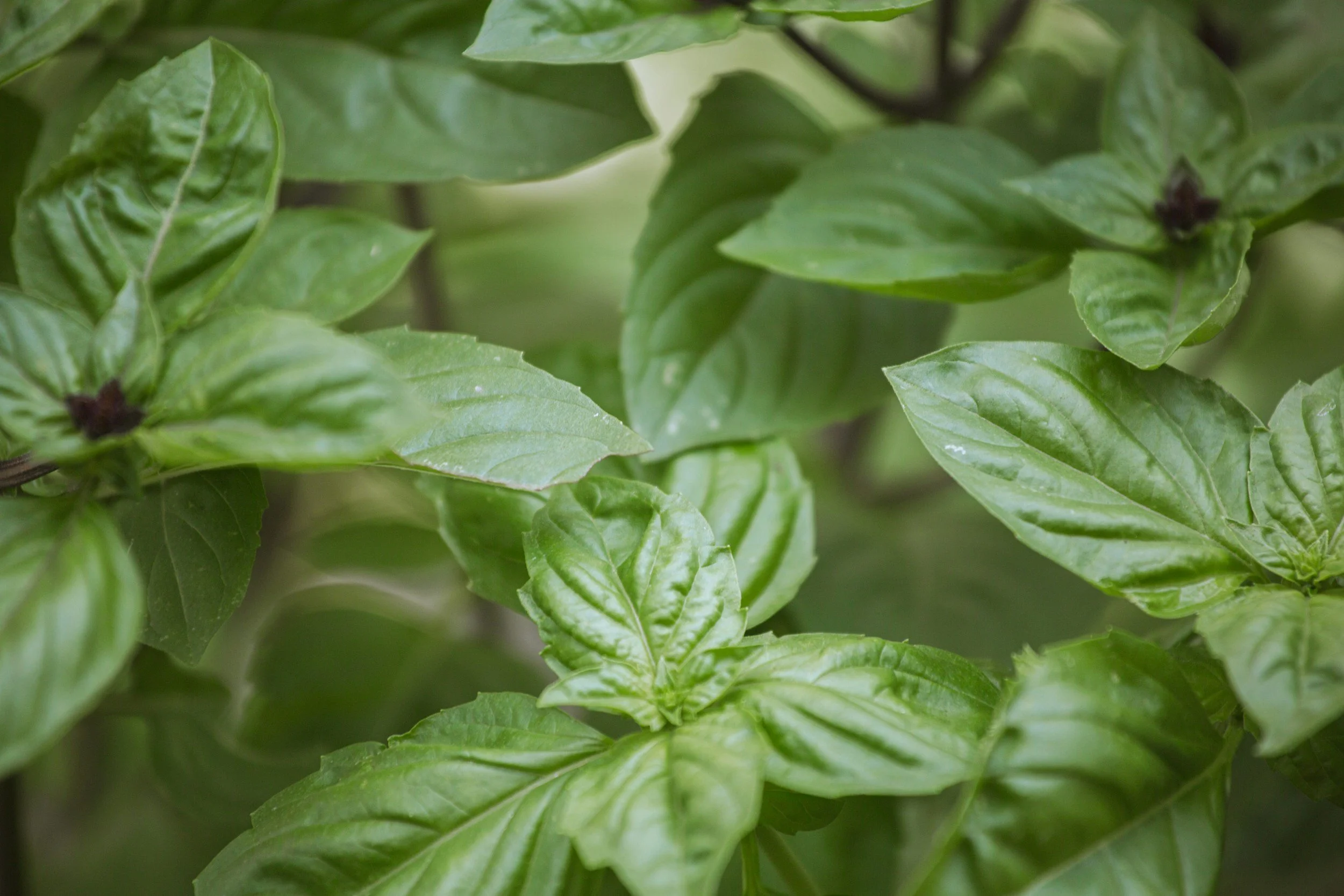
We’ve all been in the situation where you decide to make a nice meal and realise the recipe requires several herbs to add flavour. You stroll down to the supermarket, scan your herbs at checkout and your jaw drops - ‘$6 a bunch!’ you whisper to yourself exasperatedly. ‘I really need to get my own herb garden’.
Having your own herb garden will not only save you some money, it is also a great way to learn a new skill, stay grounded in the present moment and reconnect with the environment through living off the land. Caring for your herbs from seed to harvest is also a rewarding experience which can have a positive impact on your mental health.
What you will need.
1. A raised garden bed or pot with adequate drainage
If you don’t have the luxury of your own back yard, don’t fret! You can easily grow a herb garden from a planter box, windowsill garden bed or in a few medium to large sized pots. You can pick up some great options from Flora&Fauna or your local nursery, just make sure the pots have adequate drainage with several holes in the bottom. You can also add a thin layer of pebbles to help the water drain out from the soil and stop the roots from becoming over saturated.
2. High quality soil
The most important element for your garden is the soil. Soil should be high in organic matter which enables it to provide the right nutrients for your herbs to grow and stabilise their root systems. Try to avoid soil which has a lot of sand or clay. You can buy organic seed mix from Bunnings and that should do the trick!
3. Seeds or seedlings
Depending on the size of your garden bed you may want to consider planting straight from seed or purchasing some seedlings who’s growth has already started. For a larger garden bed, seedlings make for a better option, but if you are a beginner and want to grow from seed, its best to start with a propagation tray. You can give each seed its own place to grow and keep it protected from environmental hazards such as too much rain and heavy winds.
A general rule of thumb for planting seeds it to place them roughly 0.5mm-1cm below the surface of the soil.
4. Sun, Sun, Sun!
If you take one thing away from this blog its this - herbs need direct sunlight for 6-8 hours in order to germinate. Sunlight warms the soil to create the perfect environment for the germination process to begin.Water will soften the seed casing allowing the root to break out and lodge into the soil, then the sprout will shoot upwards through the soil towards the sun. The sprout needs sunlight to start photosynthesis - sugar production - which will allow the plant to grow. Be sure to think about where you position your herb garden so it can get as much sunlight as possible. If your windowsill or balcony is usually blocked by a high building or large tree, its probably not the best place to grow your herbs.
Propagation
Once your seedlings have sprouted and have about 3-4 leaves, you can start to plan how to propagate them into your garden bed or pots. Check the care instructions for each plant species you are growing. This can normally be found on the back of seed kits and should include the time of year to plant, the amount of sunlight and water the plant needs and the spacing needed between each seedling that you sew. Make a hole which is deep enough to place your seedling in but still allows for top soil to be patted in to hold your herb securely in place. Place your hand at the base of the stem and top of the container then position the stem in between your middle and ring finger. Turn the plant upside down so your palm is supporting the soil and use your other hand to loosen the container and pull it off. Carefully place your seedling into the new garden bed and spread the top soil to cover, patting it down to make it flat. Be sure to be gentle as you remove the seedlings from their container. These are babies and need a lot of care and concentration!
Companion Planting
To help your herbs flourish you can be strategic on how your organise your garden bed by utilising the concept of companion planting. This is the notion that some plants thrive with others around them. Generally plants which require the same soil, sunlight and water are best paired with each other but you can also use companion planting to ward of unwanted pests. For example, Calandula flowers in your garden can distract snails and slugs from your lettuce and the aromatic oils of Peppermint make a good border herb to protect tomatoes from caterpillars.
Harvesting
When to harvest your herbs will depend on the plant species. Lettuce for example is a fast growing plant which you should be able to harvest after 5 short weeks. In general, try to harvest herbs before they go to seed. Many herbs are self seeding which means they may propagate new growth if the seed is left to drop into the garden bed below and may grow out of control. To avoid this, harvest the herbs by cutting the tops off just before they flower. This can also help to maintain the flavour of your culinary herbs as some like Coriander can loose flavour once they flower. Trim your herbs from the top, cutting down at a node to encourage the plant to generate new growth.